
Misery
There is only one inborn error, and that is the notion that we exist in order to be happy.

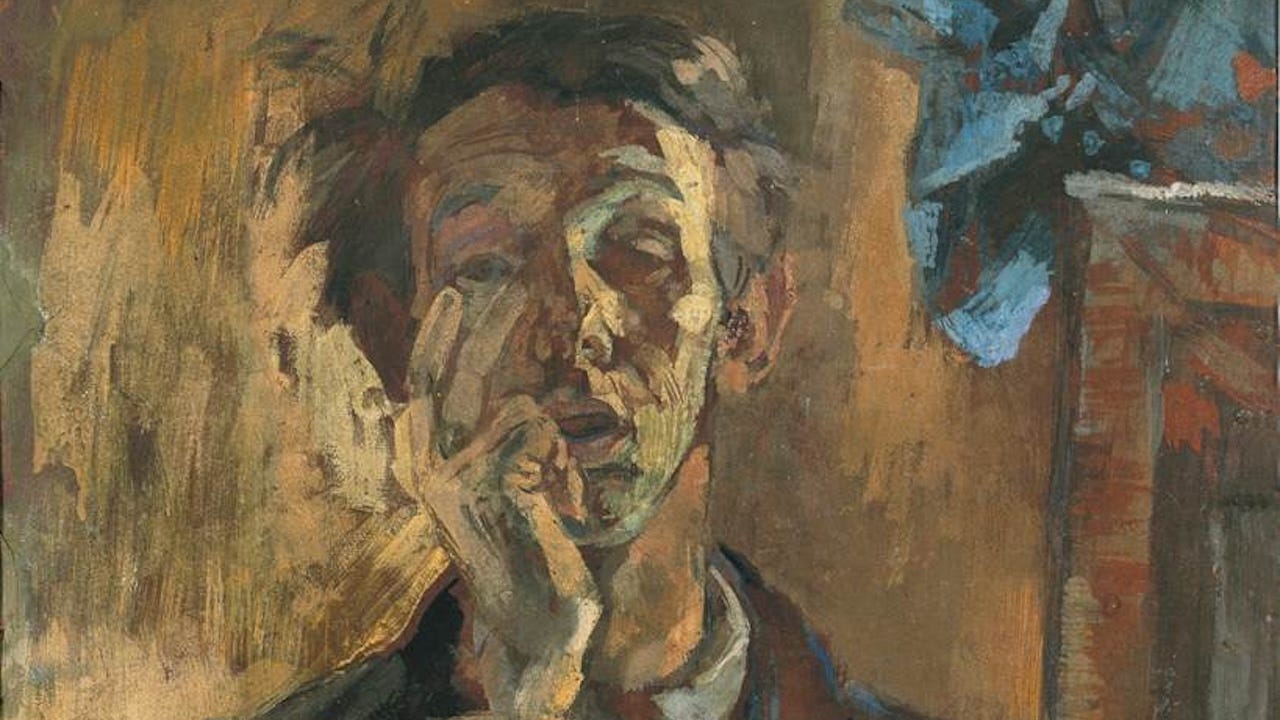
I recently saw an interview with Professor Colin Feltham, the author of the book Depressive Realism. He was asked if psychotherapy, counseling, or therapy worked. He had no problem saying it didn’t, and certainly my wife’s experience is that it doesn’t (she’s a member of the British Psychological Society). The only thing that “works” is understanding, but that’s another story.
While people rarely talk about their misery, some notable observers have declared that misery is our lot and that we shouldn’t see it as pathological. These include Freud, UG Krishnamurti, Colin Feltham, Schopenhauer, Cioran, and so on. To quote Thoreau ‘most men lead lives of quiet desperation’. There are good reasons for disguising our misery, most notably that the display of a diminished state invites those around us to diminish us further. It’s a little bit like having some form of physical deformity; it can invite ridicule and hurtful comments from the subhuman. However, there is a way to be comfortable with our misery and display strength. If we believe that a state of misery is pathological, then we will probably be judgmental of ourselves, unwittingly inviting judgment from others. Understanding and being at ease with misery are strengths, and others will be less likely to attack.
The reasons for misery are different for every person. A dismissive and cold mother, a violent father, being bullied by siblings, autism, or some other psychological differentiator, poverty, poor health, and a thousand other life’s gifts will result in misery. I’m reminded of the opening line of a chapter from Schopenhauer’s World as Will and Representation:
There is only one inborn error, and that is the notion that we exist in order to be happy.
To be at ease with misery is a notable achievement and, oddly enough, will ease the misery, although we should not work to be at ease with misery for this reason. The thrashing, typical of human behavior, will diminish because the belief that something can make things better is no longer a driver. Our survival drive will have been overridden to some extent by an understanding of the nature of things, by what Freud would call the reality principle. Pity those who are not at ease with their state of misery and still believe there is a pot of happiness at the end of their latest rainbow: it keeps God amused.